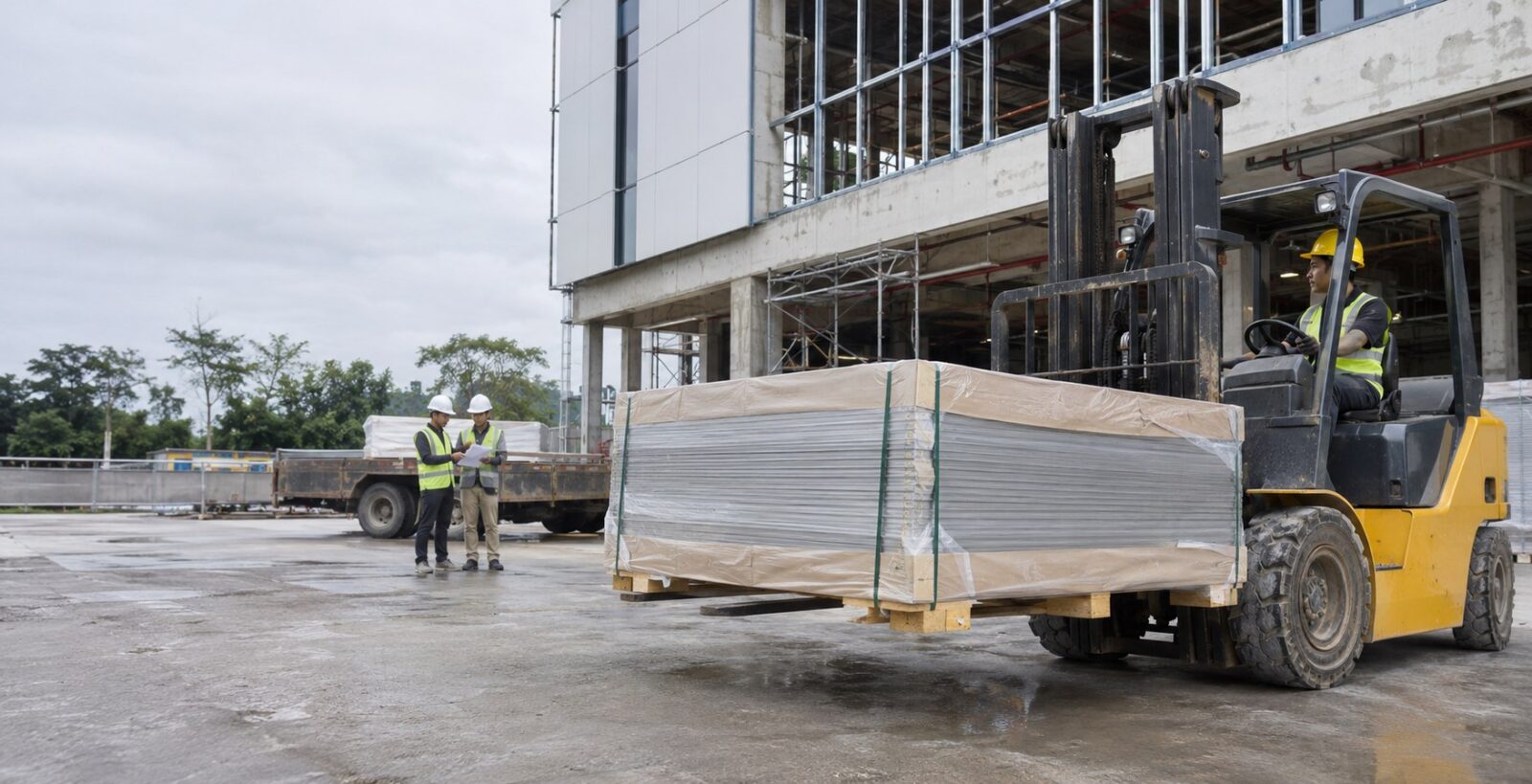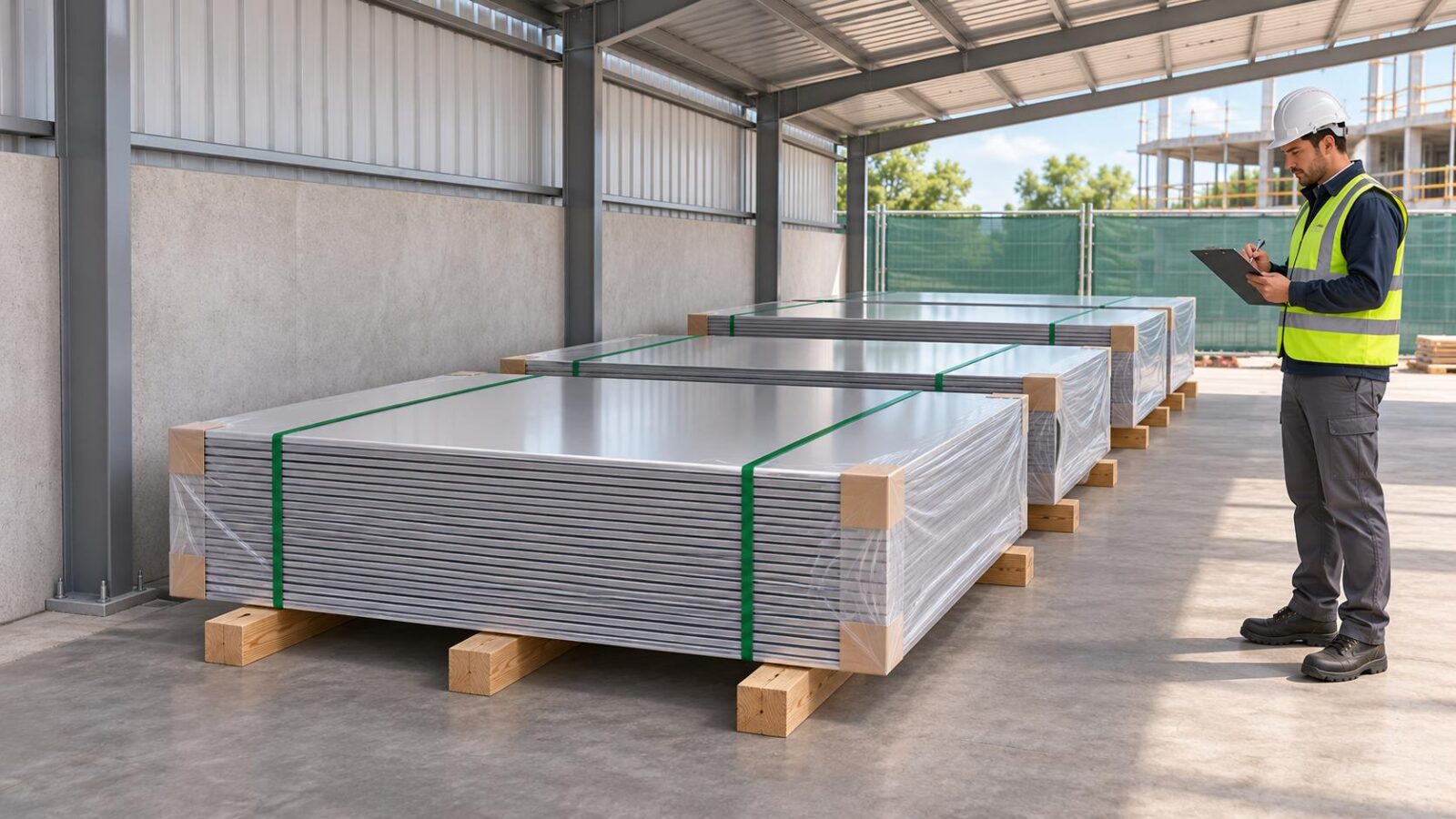


Concept visual: a generic pre-installation handover, not a customer project, approved method statement or inspection record.
The panels can be dry, protected and correctly stored. The drawings can also be approved. Yet the first installation can still begin on an assumption if nobody has connected the pack in front of the crew to the current drawing revision, finish reference and project release record.
This checklist is for that short handover. It does not approve the substrate, fixing system, access equipment or installation method. It helps the project team establish that everyone is about to work from the same panel identity and the same controlled information.
Define the release moment before the first panel moves
A release moment does not need to become another layer of paperwork. It is simply the point when the responsible project team can answer: which panel group is being installed, which current documents govern the work, and which unresolved question would stop the release?
If the answer depends on an old message, a colour name remembered from a meeting or a label that cannot be matched to the panel schedule, pause the handover. The team needs a traceable route back to the current project record.
1. Match the stored pack to the panel schedule
Start with identity, not appearance. A protective film colour or a similar finish is not enough to establish that a pack belongs to the elevation or zone about to be installed. Use the pack number, panel group, project reference or other identifier adopted by the project.
- Identify the pack or panel group selected for the first work area.
- Connect that identifier to the current panel schedule or controlled project record.
- Keep any receiving or condition note with the same identifier.
- Escalate a missing or conflicting reference before panels are redistributed.
The earlier ACP panel storage checklist covers the preceding stage. The installation-release record should continue that chain rather than create a new naming system at the last minute.
2. Put the current documents beside the actual panel
A document register can show that drawings, product data and finish information exist. The release check asks a more practical question: are these the versions the installation team will actually use for this panel group?
Return to the ACP technical submittal checklist if the panel type, core, coating or supporting product document cannot be traced. Return to the finish approval checklist if the approved colour or surface reference has become separated from the panels being released.

3. Close the storage handover without hiding open questions
Installation release should not erase what was recorded at delivery, unloading or storage. If a pack has an unresolved visible-condition note, identification issue or protection concern, carry that item into the release discussion with the same reference. The project’s responsible team decides the disposition; the checklist only keeps the question visible.
This separation matters. Recording an observation is not the same as proving a cause, accepting a panel or rejecting it. Clear records allow the appropriate project decision to be made without turning a site impression into a technical conclusion.
4. Keep product confirmation separate from project approval
A supplier can help confirm the product description, finish reference, pack information and documents it issued. That confirmation does not replace the project designer, engineer, contractor or site-safety process. Substrate acceptance, fixing details, sequencing, access and installation approval remain project responsibilities.
Write the release question at the correct level. “Does this pack match the quoted panel and finish reference?” may be a supplier question. “Is this fixing arrangement approved for this elevation?” belongs to the responsible project team and its controlled documents.
5. Record the first-panel decision in a form the next shift can follow
The useful record is the one that survives a shift change. It should identify the panel group, the document revision used, the finish reference, any open item and the person or project role responsible for the next decision. The format can follow the project’s own system.
Do not make the record claim more than it proves. It can show what was compared and which question was escalated. It should not be presented as an engineering approval, fire-compliance statement or installation certificate unless the authorised project process makes it one.
Once the first panel is in place, continue with the ACP first-panel review before wider installation is released.
A short release check before the first panel
- Which pack or panel group is being released?
- Which current panel schedule and drawing revision identify it?
- Which finish sample, code or controlled reference applies?
- Are any delivery, unloading or storage observations still open?
- Which question belongs to the supplier, and which belongs to the project team?
- What record will let the next shift reconstruct this decision?
Need to confirm the product record before release?
Send the panel schedule, current drawing revision and finish reference through the contact page. We can help check the product and document information issued for the order; engineering, site safety and installation approval remain subject to the project’s controlled process.
FAQs
Does an installation release checklist approve the fixing system?
No. It helps align panel identity and controlled information. The fixing system and installation method must follow the project’s approved design and responsible technical process.
Can a finish name alone identify the correct ACP pack?
Not reliably. Use the pack or panel-group identifier and connect it to the project’s current schedule and controlled finish reference.
Should an unresolved storage observation be removed from the release record?
No. Keep it linked to the same panel or pack reference and let the responsible project process decide the next action.
What can the panel supplier confirm before installation?
The supplier can help confirm the product description, finish reference, pack information and documents it issued. Project engineering, substrate acceptance, fixing details, site safety and installation approval remain with the responsible project parties.